

Seamless Box Walling: A Game Changer in Sustainable Building
Release time:
2026-04-21
Seamless Box Walling: A Game Changer in Sustainable Building Table of Contents 1. Introduction to Seamless Box Walling 2. What is Seamless Box Walling? 3. Benefits of Seamless Box Walling in Sustainable Construction 4. Applications of Seamless Box Walling 5. Environmental Impact of Seamless Box Walling 6. Installation Process of Seamless Box Walling 7. Challenges in Im
Seamless Box Walling: A Game Changer in Sustainable Building
Table of Contents
- 1. Introduction to Seamless Box Walling
- 2. What is Seamless Box Walling?
- 3. Benefits of Seamless Box Walling in Sustainable Construction
- 4. Applications of Seamless Box Walling
- 5. Environmental Impact of Seamless Box Walling
- 6. Installation Process of Seamless Box Walling
- 7. Challenges in Implementing Seamless Box Walling
- 8. The Future of Seamless Box Walling in Eco-Friendly Design
- 9. Frequently Asked Questions (FAQs)
- 10. Conclusion
1. Introduction to Seamless Box Walling
In today’s rapidly evolving architectural landscape, the quest for sustainability remains paramount. As we face pressing environmental challenges, the construction industry is increasingly turning towards innovative solutions that not only meet aesthetic demands but also prioritize eco-friendliness. One such innovation is **seamless box walling**, a technique that is transforming how we construct buildings. This article delves into the intricacies of seamless box walling, exploring its definition, benefits, applications, and its role in fostering a sustainable built environment.
2. What is Seamless Box Walling?
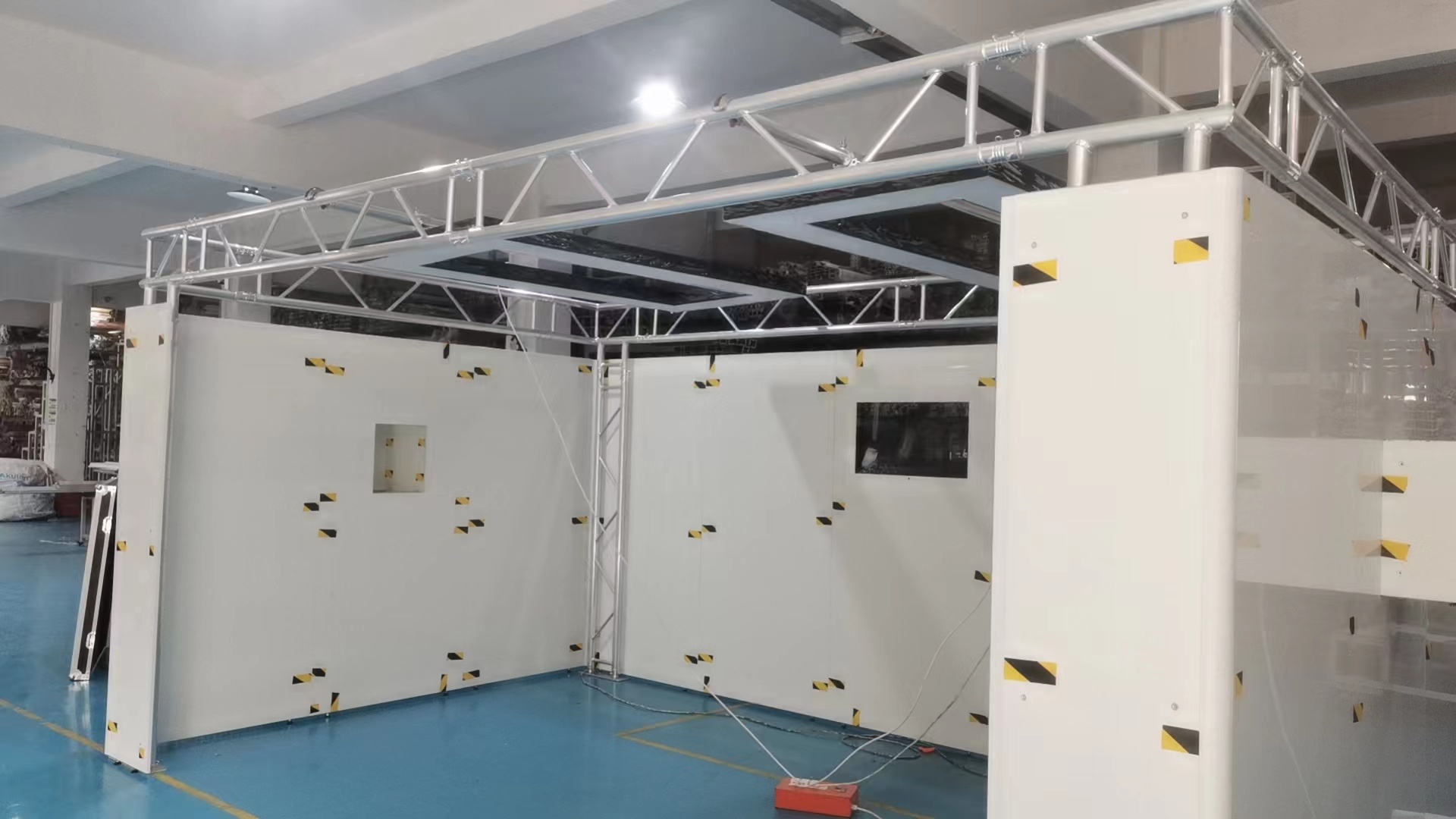
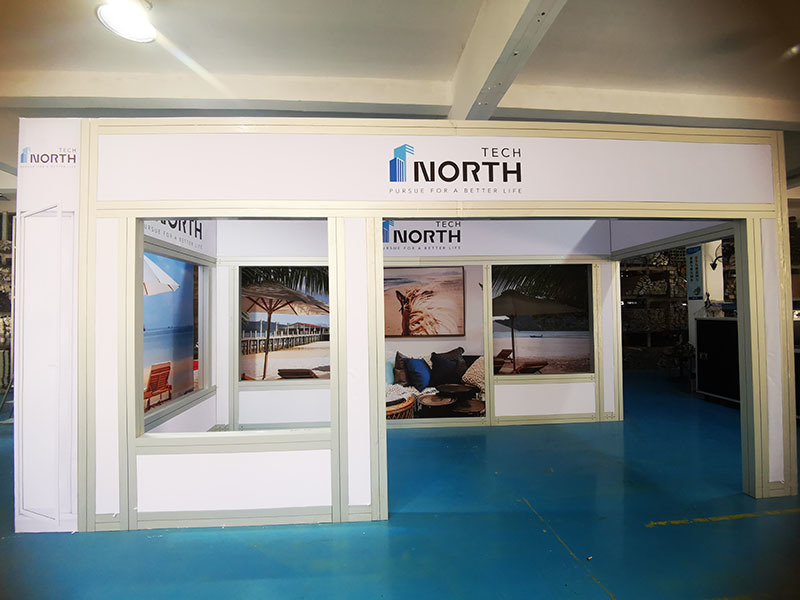
**Seamless box walling** refers to a modern construction method utilizing large, interlocking panels that create a continuous, smooth wall surface. Unlike traditional walling systems, which often rely on multiple materials and seams, seamless box walling provides a unified appearance. The panels are typically made from advanced composite materials that enhance durability and insulation properties.
This innovative approach allows architects and builders to create **energy-efficient buildings** that are not only visually appealing but also highly functional. With seamless box walling, the need for traditional plastering or finishing processes is significantly reduced, which cuts down on labor and material costs.
3. Benefits of Seamless Box Walling in Sustainable Construction
Seamless box walling brings a host of benefits that align perfectly with the principles of sustainable construction. Here are some of the key advantages:
3.1 Enhanced Energy Efficiency
One of the most significant benefits of seamless box walling is its **energy efficiency**. The panels are designed to provide superior thermal insulation, which helps to maintain indoor temperatures. This reduces reliance on heating and cooling systems, leading to lower energy consumption and reduced utility bills.
3.2 Reduced Waste Generation
The construction industry is notorious for its waste generation. Seamless box walling minimizes this issue by leveraging prefabricated panels, which significantly reduce on-site waste. Additionally, since the panels fit together seamlessly, there is less need for finishing materials, further curbing waste.
3.3 Cost Effectiveness
While the initial investment in seamless box walling may be higher than traditional methods, the long-term savings can be substantial. The reduced need for finishing, combined with lower energy bills and decreased maintenance costs, makes it a financially savvy choice for builders and property owners alike.
3.4 Improved Aesthetics
Seamless box walling offers a sleek, modern look that can enhance the overall design of a building. The lack of seams and joints allows for creative architectural expressions and a polished finish, making it a favorite among contemporary designers.
4. Applications of Seamless Box Walling
The versatility of seamless box walling makes it suitable for various applications across different sectors. Here are some notable uses:
4.1 Residential Buildings
Homeowners and builders are increasingly opting for seamless box walling in residential construction. The energy efficiency and aesthetic appeal make it an excellent choice for modern homes.
4.2 Commercial Spaces
From office buildings to retail stores, seamless box walling is gaining traction in commercial construction. The quick installation process and adaptability to various designs are particularly beneficial for businesses looking to minimize downtime during construction.
4.4 Educational Facilities
Schools and universities are adopting seamless box walling for their eco-friendly benefits. The increased energy efficiency leads to lower operational costs, which is crucial for educational institutions often operating on tight budgets.
5. Environmental Impact of Seamless Box Walling
Seamless box walling significantly mitigates the environmental impact associated with traditional construction methods. Here’s how:
5.1 Conservation of Resources
The use of prefabricated materials in seamless box walling promotes resource conservation. By reducing the amount of materials needed on-site, the overall demand for raw materials decreases, resulting in less environmental degradation.
5.2 Reduction of Carbon Footprint
Buildings constructed with seamless box walling often have a lower carbon footprint due to their energy efficiency and reduced waste generation. As energy consumption decreases, so does the associated greenhouse gas emissions, making a significant positive impact on the environment.
5.3 Sustainable Material Choices
Many seamless box walling systems incorporate sustainable materials, such as recycled composites or renewable resources. This further enhances the environmental benefits of this construction method, aligning with the principles of green building.
6. Installation Process of Seamless Box Walling
Understanding the installation process of seamless box walling is crucial for builders and architects. Here are the key steps involved:
6.1 Site Preparation
Before installation, the site must be properly prepared. This includes leveling the ground and ensuring that the foundation is solid and capable of supporting the wall panels.
6.2 Panel Fabrication
Panels are typically fabricated off-site in a controlled environment. This process allows for precise measurements and ensures high-quality production.
6.3 On-Site Assembly
Once the panels are ready, they are transported to the construction site. The assembly process involves interlocking the panels, which can be completed rapidly, reducing construction timelines significantly.
6.4 Finishing Touches
Although the aim of seamless box walling is to reduce the need for finishing, some projects may require minor touch-ups. These are usually minimal and quick to complete.
7. Challenges in Implementing Seamless Box Walling
While seamless box walling offers numerous advantages, certain challenges must be addressed:
7.1 Initial Cost
The upfront cost for seamless box walling can be higher than traditional methods. This may deter some builders, especially in budget-sensitive projects.
7.2 Technical Expertise
Implementing seamless box walling requires specialized skills and knowledge. Builders must be adequately trained to ensure proper installation and adherence to structural integrity.
7.3 Design Limitations
While seamless box walling is versatile, certain architectural designs may not be suitable for this method. It’s essential for architects to carefully evaluate whether seamless box walling aligns with the desired aesthetic and functional outcomes.
8. The Future of Seamless Box Walling in Eco-Friendly Design
As the demand for sustainable construction continues to grow, the future of seamless box walling appears bright. With advancements in technology and materials, we can expect to see:
8.1 Integration of Smart Technologies
Future iterations of seamless box walling may integrate smart technologies, enhancing energy efficiency and overall building performance.
8.2 Wider Acceptance in Mainstream Construction
As awareness of the benefits of seamless box walling increases, more builders and architects are likely to adopt this method. This transition will drive innovation and further improvements in sustainable construction practices.
8.3 Collaborative Development Initiatives
Expect collaborations between manufacturers, builders, and environmental organizations to promote seamless box walling. These initiatives will help standardize practices, ensuring quality and sustainability in construction.
9. Frequently Asked Questions (FAQs)
9.1 What materials are used in seamless box walling?
The panels are primarily made from advanced composite materials, which provide durability and insulation.
9.2 How does seamless box walling enhance energy efficiency?
The panels are designed to offer superior thermal insulation, thus reducing reliance on heating and cooling systems.
9.3 Is seamless box walling suitable for all types of buildings?
While it is versatile, some architectural designs may not be ideal for seamless box walling. Each project should be assessed individually.
9.4 What are the environmental benefits of seamless box walling?
Seamless box walling reduces waste, conserves resources, and lowers the carbon footprint associated with traditional construction methods.
9.5 Can seamless box walling be customized for unique designs?
Yes, seamless box walling can be customized to fit various architectural styles, though some limitations may apply.
10. Conclusion
Seamless box walling stands as a transformative solution in sustainable building, offering numerous benefits that align with the growing demands for eco-friendly construction. From enhanced energy efficiency and reduced waste to improved aesthetics and cost-effectiveness, it is clear why this method is gaining traction in both residential and commercial applications. As we move towards a future focused on sustainability, seamless box walling will undoubtedly play a significant role in shaping our built environment, making it a game changer for the construction industry. By embracing this innovative approach, we can pave the way for a greener, more sustainable future in architecture and design.


/
+86 139 1773 1319
+86 158 2122 6266


Add: No. 399 Guangming Road, Zhuanghang Industrial Park, Fengxian, Shanghai